Pillar Guide · Seven Crafts, Real Prices
Top Bali Souvenirs
As you wander Bali’s markets, the pull of bringing home a piece of the island is hard to resist. These are the seven crafts worth the luggage space — and what each should honestly cost.
- 7
- Crafts covered in depth
- IDR 50k
- Where honest prices start
- Mas · Celuk
- The two villages that matter most
- 100 ml
- Cabin limit for oils and liquids
The Short List
If You Buy One Thing
- Best all-rounder
- Batik textile
- Best under IDR 100k
- Sarong or spices
- Best gift
- Silver from Celuk
- Easiest through customs
- Coffee & spices
- Needs a plan
- Large wood or canvas
Photographs: Bali Premium Trip
In Short
What To Buy, In One Paragraph
Bali souvenirs worth carrying home come down to authentic batik textiles, intricate wood carvings from Mas, and silver jewellery from Celuk — with local snacks and coffee as the easy, affordable additions. Each is made somewhere specific by someone specific, which is what separates a keepsake from a trinket.
- Batik from IDR 150,000 — look for complex design and rich colour
- Wood carving from IDR 50,000 for small figures, hand-carved in Mas
- Silver from IDR 100,000 in the family workshops of Celuk
- Coffee, tea and spices clear customs most easily of anything here
Craft By Craft
The Seven Worth Buying
Each section below names where the craft is actually made, what it should cost, and the one thing most likely to go wrong.
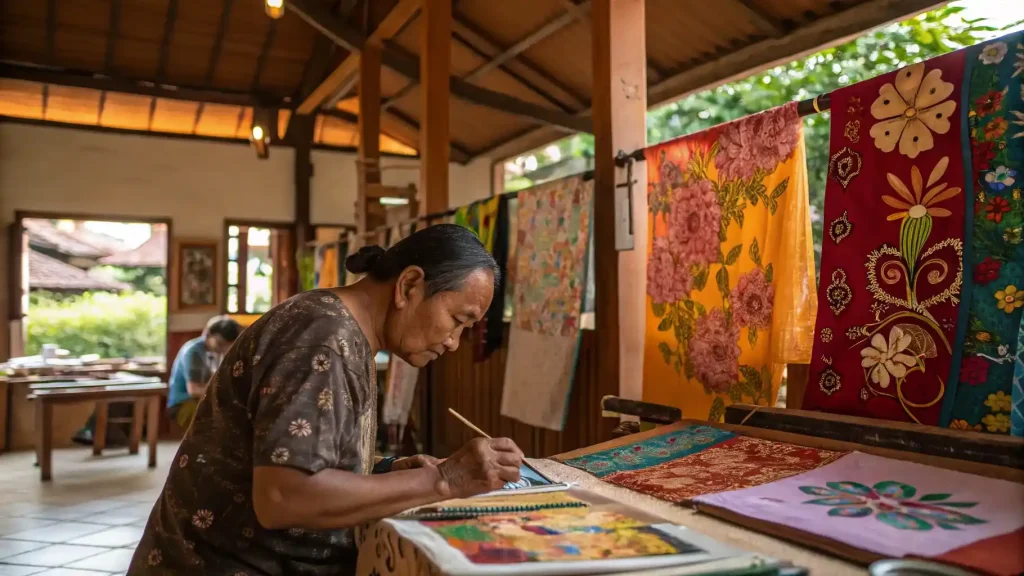
Batik Textiles: A Touch of Tradition
Hand-drawn or hand-stamped using a wax-resist dyeing technique. The process is intricate and produces patterns no printed cloth can match. The risk: the market is full of cheap prints sold as the real thing.
Wood Carvings: Craftsmanship from Mas
Balinese carving is renowned worldwide, particularly from the village of Mas near Ubud. Hindu deities, animals and abstract forms, each cut by hand. The risk: buying something too large to fly home with.
Silver Jewellery from Celuk
Celuk is Bali’s silver village, where family workshops produce rings, necklaces and custom commissions. Ask about purity and craftsmanship. The risk: counterfeit silver in tourist areas.
Local Snacks and Spices
Packaged coffee, tea and spices are generally allowed through customs in reasonable quantities, which makes them the easiest category here. Balinese kopi luwak commands a premium — pay it only for authentic, ethically sourced beans.
Traditional Art and Paintings
Ubud is famous for its galleries, with work from modest market pieces to serious collecting. The risk: falling for a canvas you cannot transport. Decide how it travels before you decide you love it.
Religious Items and Statues
Prayer beads, small shrines and deity statues reflect Bali’s Hindu culture. Buy modern reproductions: genuinely old temple carvings can be illegal to export as cultural property.
Textiles and Garments: Sarongs and More
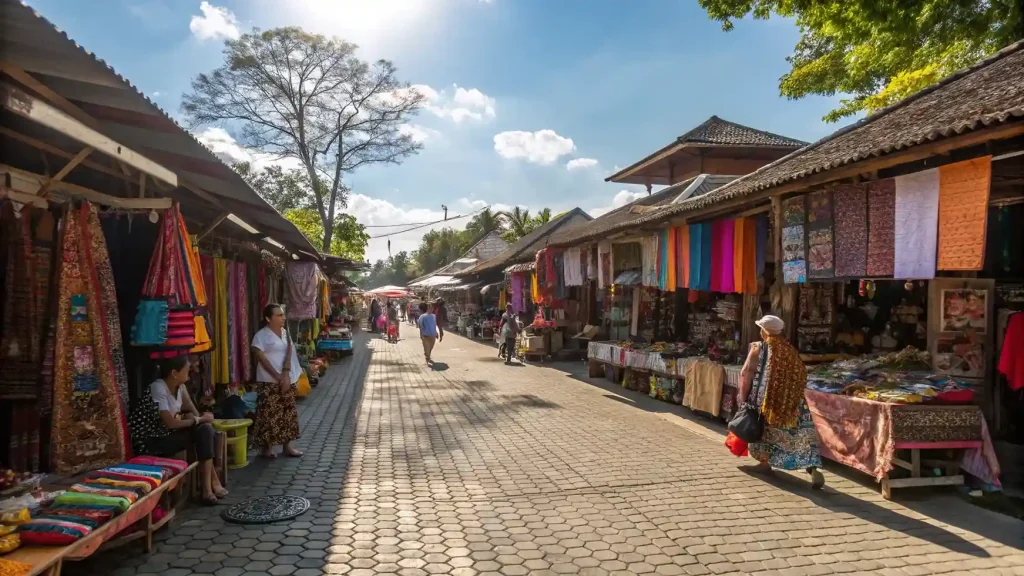
Sarongs are often required attire for temple visits, which makes them the rare souvenir you will genuinely use again. Price depends on material and design.
Every figure here is an indicative starting point. Bargaining is normal in tourist areas, so knowing the band is what keeps the negotiation fair.
Craft By Craft, In Frame
What The Seven Look Like
The crafts named above, photographed where they are actually sold.
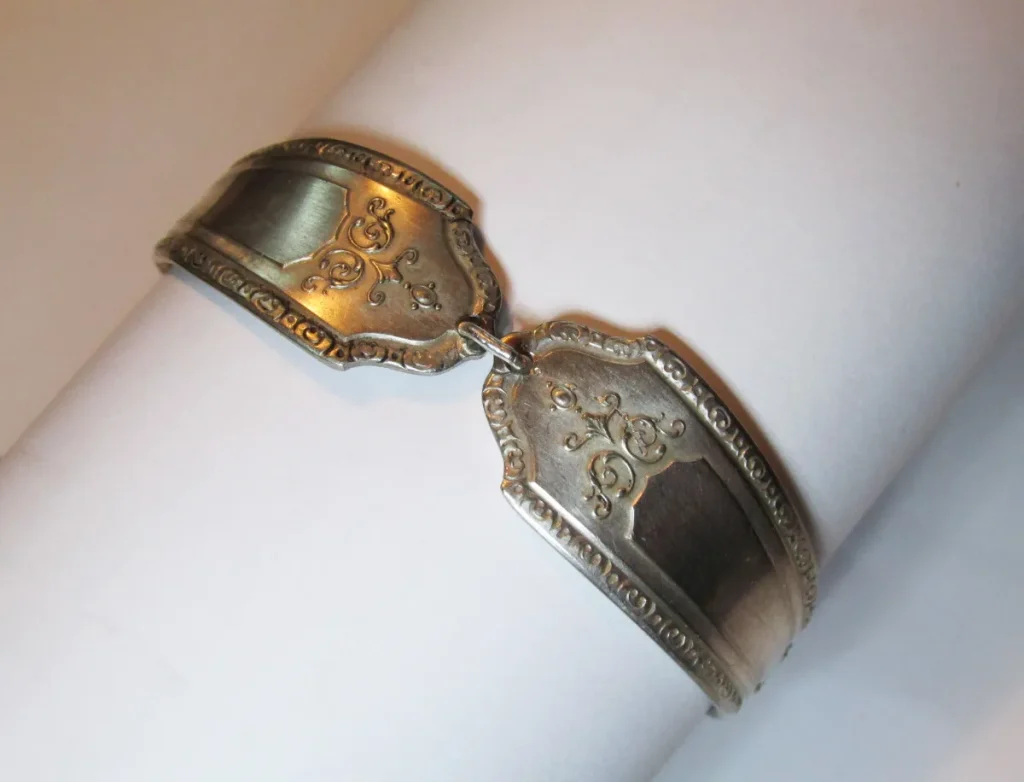
Silver from Celuk
A cuff worked in the Celuk manner. The engraving is cut by hand, which is exactly why no two pieces repeat.
Photograph: PxHere
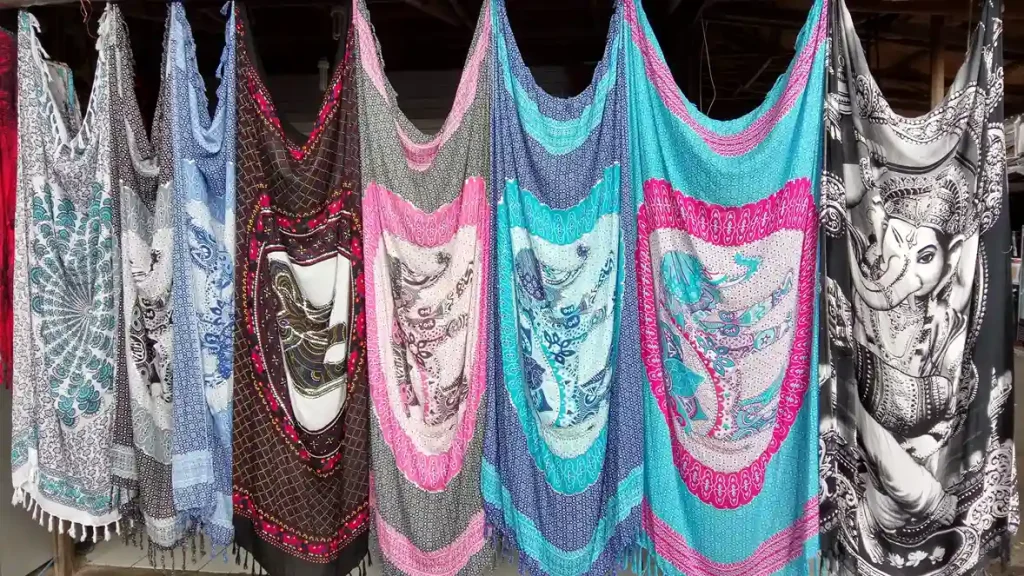
Printed kain pantai
The bright printed sarongs on every tourist rack — quick to pack, and the honest entry point to Balinese cloth.
Photograph: Wikimedia Commons
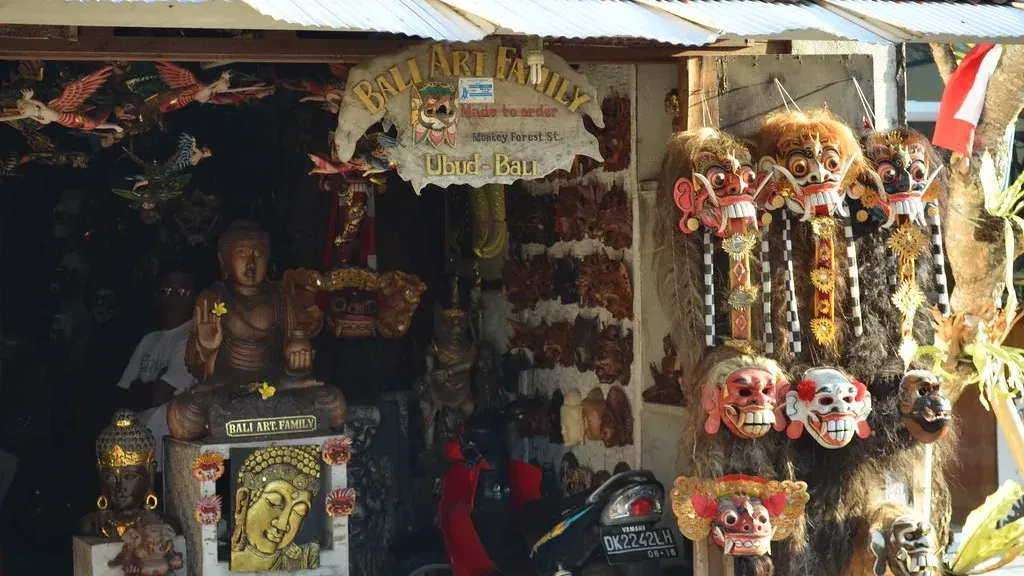
Ubud Art Market
Barong masks and carved figures stacked to the roofline on Monkey Forest Street. Prices here open high — knowing the band is what keeps the bargaining fair.
Photograph: Flickr
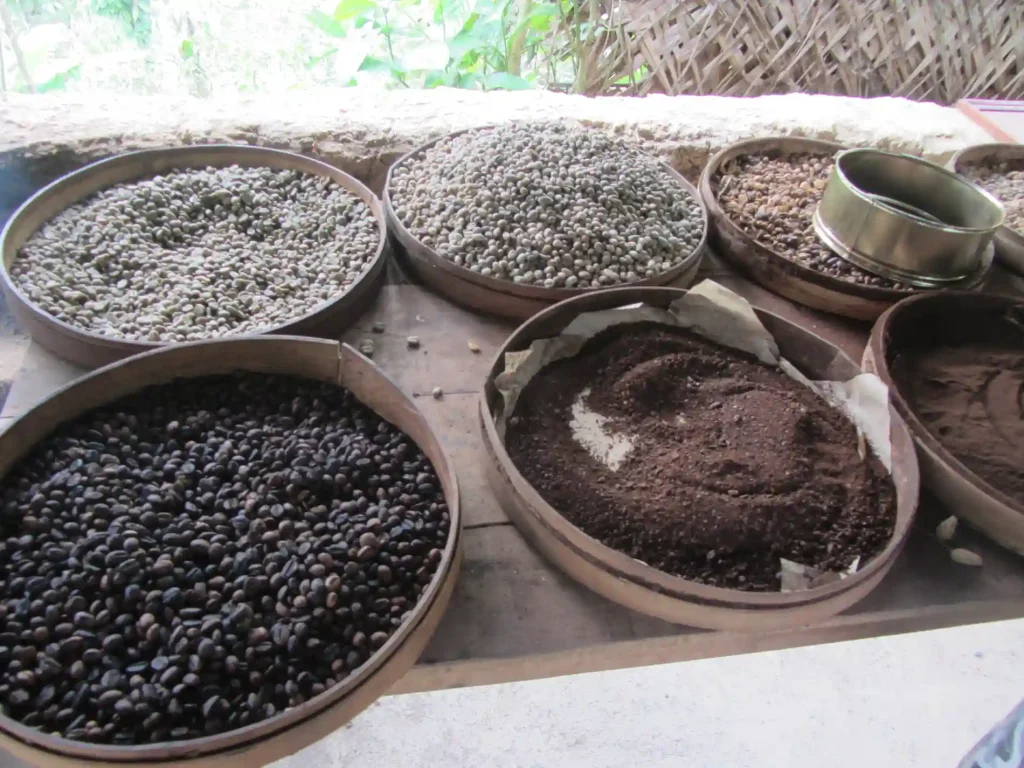
Kintamani coffee
Green, roasted and ground in the same yard. Kintamani arabica carries the citrus note the highlands are known for.
Photograph: Wikimedia Commons

Aromatherapy oils
Frangipani, sandalwood and lemongrass bottled in amber against the light. The cheapest thing here that still smells like the island a year on.
Photograph: PxHere
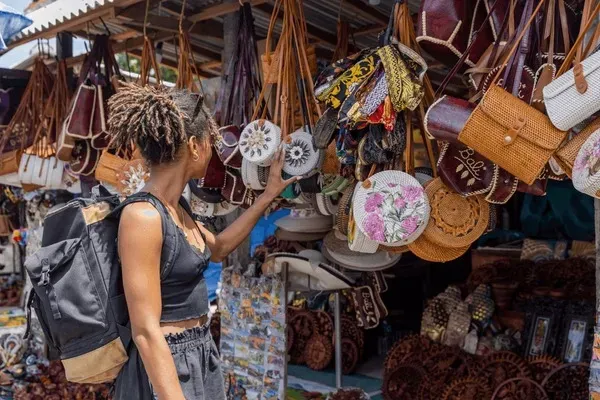
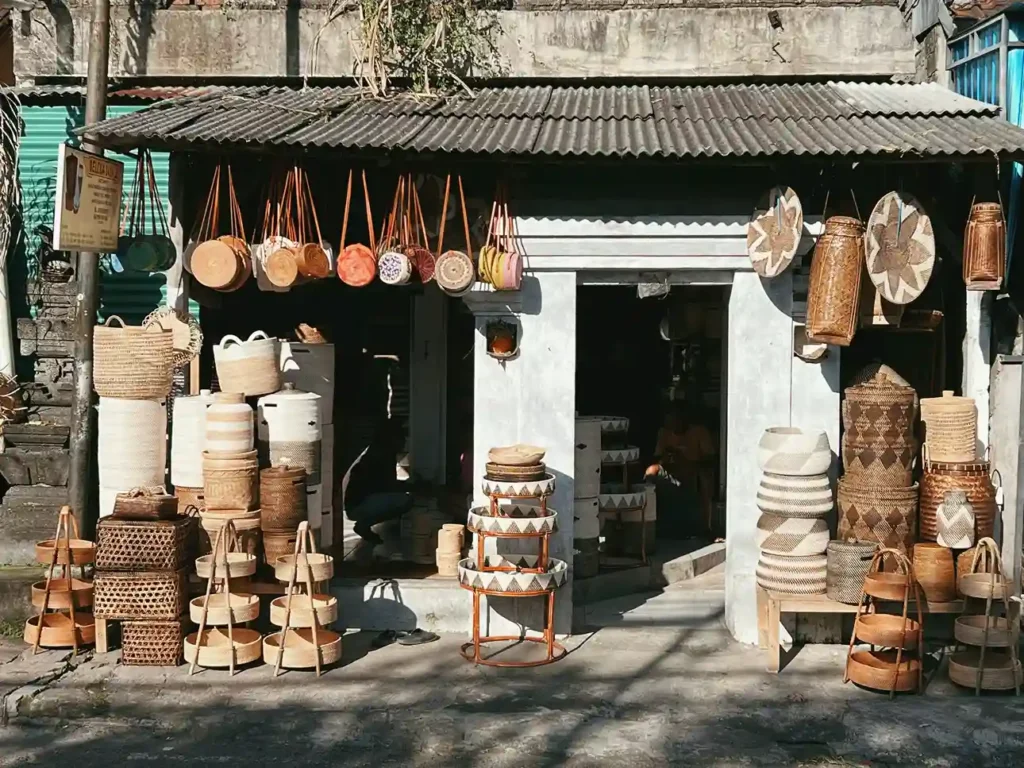
Woven bags and pouches
Rattan ata baskets and embroidered pouches — handwork that reads as craft rather than as a trinket.
Photograph: Shutterstock
Every band on this page is indicative. Bargaining is normal, and knowing the band is what keeps it fair.
Price Index
What Each Should Cost
Indicative market bands, gathered in person. Treat them as the honest floor rather than a fixed price list.
Batik Textiles Verify first
High-quality batik sits well above mass-printed imitation. Designer boutiques in Seminyak and Ubud run to hundreds of dollars.
IDR 150,000 and up
Wood Carvings
Small figurines at the low end; large sculpture costs considerably more and may need freight.
IDR 50,000 small figures, up
Silver Jewellery
Simple designs at the base; intricate and custom work rises steeply from there.
IDR 100,000 simpler designs, up
Sarongs & Garments
Varies with material and design. The most useful thing on this list once you are home.
IDR 50,000 and up
Religious Items & Statues
Modern reproductions only. Anything presented as genuinely antique needs proper documentation.
IDR 50,000 small items, up
Local Snacks & Spices
Affordable, easy to pack, and the least likely category to cause a customs conversation.
From IDR 50,000 per pack
Art & Paintings
Price tracks the artist and the complexity. Size decides your transport plan.
IDR 100,000 to several million
Indicative market prices only, gathered from Bali markets and workshops. Prices move with the season, the exchange rate and your own bargaining — we reconfirm before every trip.
Buying Well
How To Buy Without Getting It Wrong
The same five steps apply whichever craft you are buying.
-
Learn the Band Before You Shop
Before you goKnow the honest starting price for what you want. Bargaining only works when you can recognise a reasonable number.
-
Go To the Village, Not the Stall
Mas · Celuk · UbudBuying where the craft is made usually means better work, a fairer price, and someone who can tell you exactly how it was made.
-
Ask What It Is Made Of
At the point of saleA seller who cannot name the material is a seller to walk away from. This is also your protection against protected-wildlife materials.
-
Negotiate, Politely
Tourist areasStart below your target, stay friendly but firm, and be willing to leave. Walking away is a normal part of the exchange, not an insult.
-
Check It Will Fly
Before you payConfirm export rules for anything old, organic or liquid, and confirm your own country’s import rules. Liquids over 100 ml go in checked baggage.
Cash is still widely used in local markets, so carry enough rupiah for small stalls. Cards are accepted in larger shops.
Questions
Souvenir Questions, Answered
What are the best souvenirs to buy in Bali?
How much should I budget for souvenirs in Bali?
How do I tell real batik from a printed copy?
Which souvenirs are illegal to take out of Bali?
Can I bring Balinese food and coffee home?
More On Bali Souvenirs
Go Deeper
Not Sure Which?
Tell Us Who It Is For
Give us the recipient, your budget and the country you are flying home to, and we will name the craft, the village and a fair price.