Reference · Prices, Trends & Restrictions
Comprehensive Bali Souvenir Insights
Understanding souvenir pricing is what separates a good purchase from an expensive one. This is the reference page: what things cost, why, and how the market actually behaves.
- 80%
- Share of Bali’s economy from tourism
- IDR 50k
- Where honest prices start
- 3 stalls
- Compare before you commit
- Nov–Mar
- When discounts are easiest to find
The Method
How We Price Things
- Source
- Village workshops
- Basis
- Observed, in person
- Figures are
- Indicative bands
- Excludes
- Resort markups
- Reviewed
- Each season
Photographs: Bali Premium Trip
In Short
What Determines a Fair Price
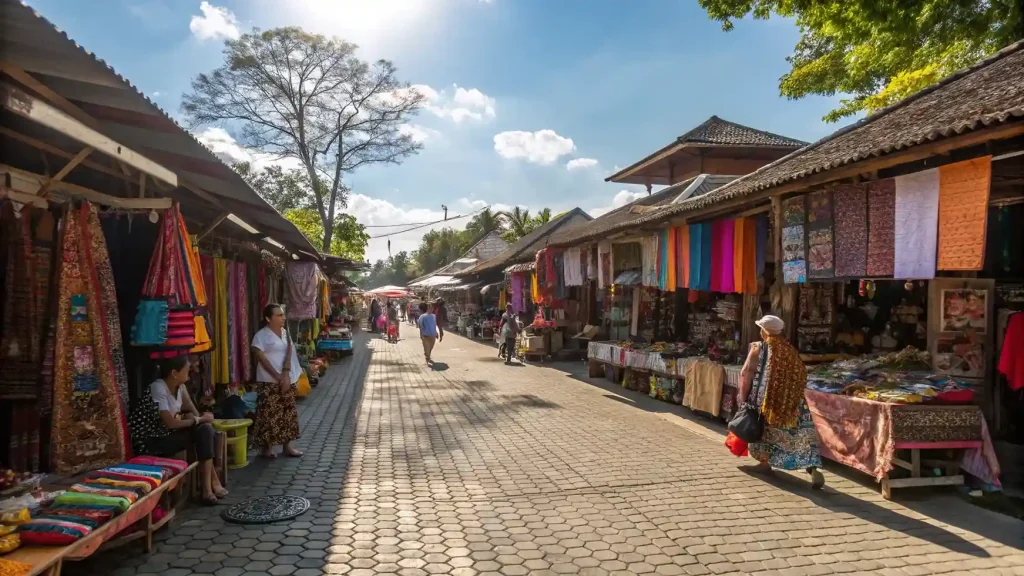
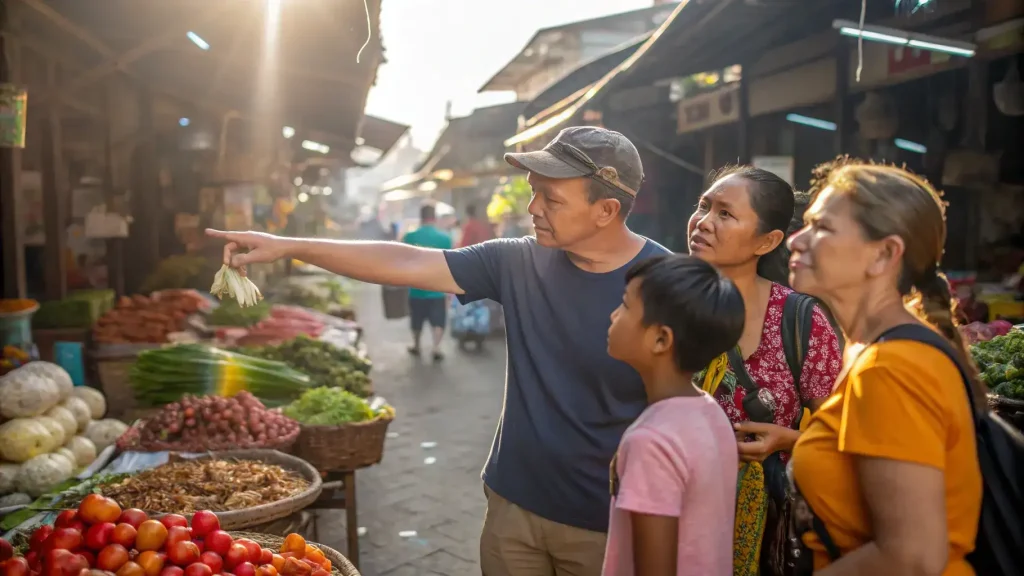
A fair price in Bali depends on three things: whether the item is genuinely hand-made, where you are buying it, and when. Village workshop prices are close to fair from the outset. Resort market opening prices assume negotiation, often generously.
- Hand-made versus machine-made is the single biggest price factor
- Village workshops quote closer to fair; resort markets expect haggling
- November to March is quieter, and discounts are easier to obtain
- July–August and December–January see prices rise with demand
Price Index
Popular Souvenirs and Their Price Ranges
Indicative bands observed in village workshops and markets. Treat the low figure as the honest floor, not the expected price.
Batik Textiles Widest range
Hand-stamped at the low end; hand-drawn tulis and designer boutique work at the top.
IDR 150,000 to hundreds of USD
Wood Carvings
Small figures at the base; large sculpture rises steeply and may need freight.
IDR 50,000 to millions
Silver Jewellery
Simple designs at the base; filigree, granulation and custom commissions considerably more.
IDR 100,000 upward
Handwoven Textiles
Endek and songket. Woven rather than dyed, and priced for the labour involved.
IDR 200,000 to 500,000 per set
Sarongs & Garments
Varies with material and design. The most-used souvenir on this list once home.
IDR 50,000 upward
Religious Items
Modern reproductions. Anything presented as genuinely antique needs documentation.
IDR 50,000 upward
Essential Oils & Jamu
Sealed and labelled. Over 100 ml per container must travel in checked baggage.
IDR 70,000 per small bottle
Coffee, Cacao & Spices
Kopi luwak commands a large premium — pay it only for authentic, ethically sourced beans.
From IDR 50,000 per pack
Art & Paintings
Price tracks the artist’s standing and the complexity of the work.
IDR 100,000 to several million
Baskets & Ceramics
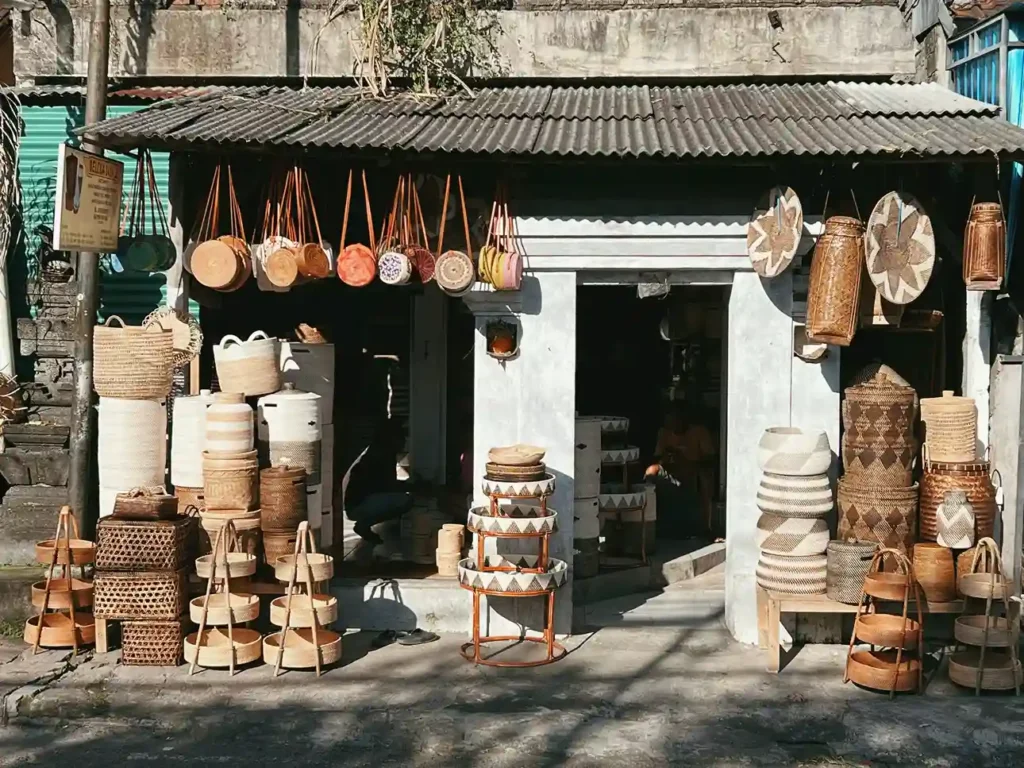
Ata and rattan weaving, glazed studio pottery. Excellent value; pack with care.
IDR 75,000 upward
A moderate shopping budget of around IDR 500,000 to 1,000,000 covers a good selection. Indicative figures only, reviewed each season.
Where You Buy
Village Workshop vs Resort Market
The same item behaves quite differently depending on where it is sold. This is what actually changes.
| What Changes | Resort-Area Market | Village Workshop |
|---|---|---|
| Opening price | Well above fair; expects haggling | Close to fair from the start |
| Quality range | Mixed, print sold beside hand work | Consistently hand-made |
| Who you deal with | A reseller | The maker, usually |
| Questions answered | Vague on origin and material | Specific on wood, dye, silver content |
| Custom work | Rarely possible | Usually possible, with time |
| Convenience | High — it is where you are staying | Requires a drive |
Neither is wrong. Markets are convenient and fine for volume buying if you know the bands; workshops are where the better work is.
The Index, In Frame
What The Numbers Describe
Every band on this page belongs to an object you can pick up and turn over.
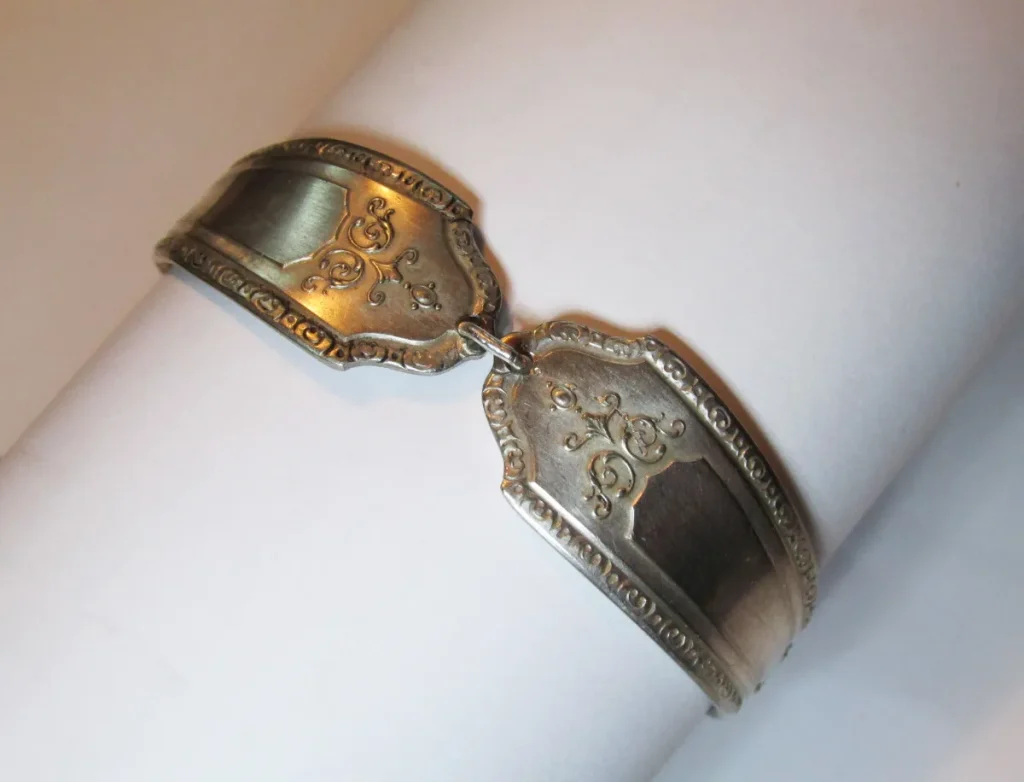
Silver from Celuk
A cuff worked in the Celuk manner. The engraving is cut by hand, which is exactly why no two pieces repeat.
Photograph: PxHere
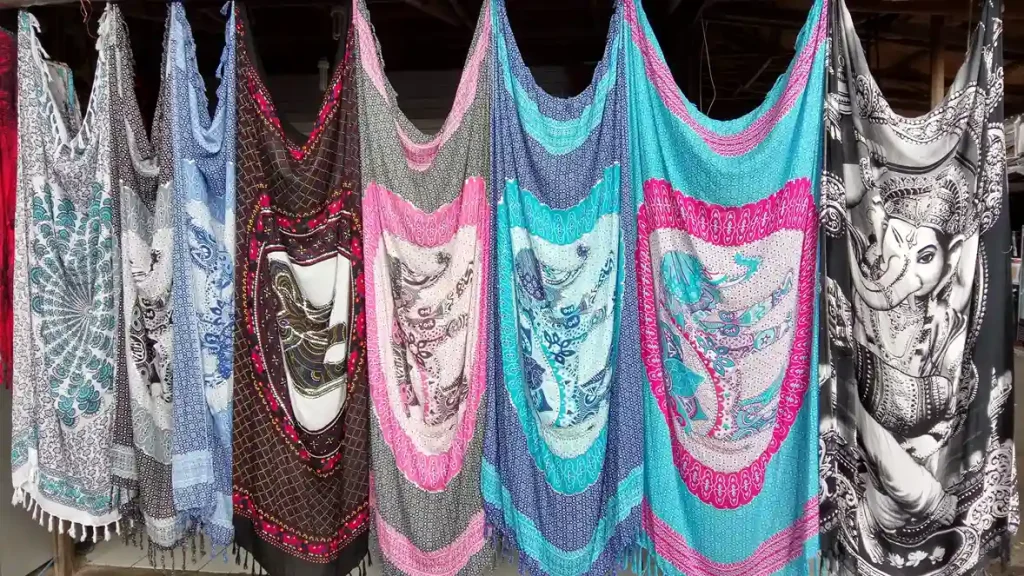
Printed kain pantai
The bright printed sarongs on every tourist rack — quick to pack, and the honest entry point to Balinese cloth.
Photograph: Wikimedia Commons
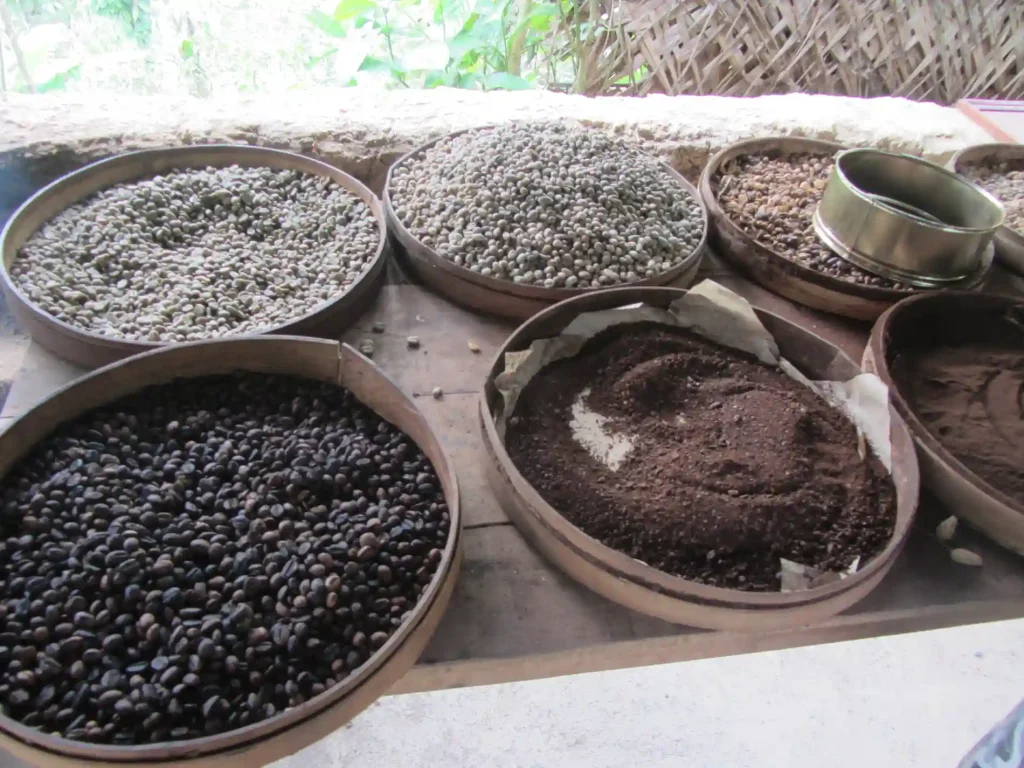
Kintamani coffee
Green, roasted and ground in the same yard. Kintamani arabica carries the citrus note the highlands are known for.
Photograph: Wikimedia Commons
Market Context
Trends Worth Knowing
- 80%
- Share of Bali’s economy contributed by tourism, which is why demand moves prices sharply
- Jul–Aug
- Peak season, alongside December–January, when souvenir prices typically rise
- Nov–Mar
- Off-peak and rainy — lower prices and more willing negotiation
- 210 days
- Cycle of Galungan and Kuningan, when traditional craft variety peaks
Figures are indicative and drawn from published tourism data. Souvenir prices have risen in recent seasons alongside materials and labour costs.
Questions
Pricing Questions
How much should I budget for souvenirs in Bali?
Why do prices vary so much for what looks like the same item?
Have Bali souvenir prices gone up?
How do I verify quality and authenticity before paying?
What restrictions should I know about before buying?
Is bargaining rude?
More On Bali Souvenirs
Related Guides
Want A Second Opinion?
Send Us the Item and the Asking Price
A photo and the number the seller quoted is enough. We will tell you whether it is fair, and what we would pay.