Market Guide · Timing & Prices
Bali Markets for Souvenirs
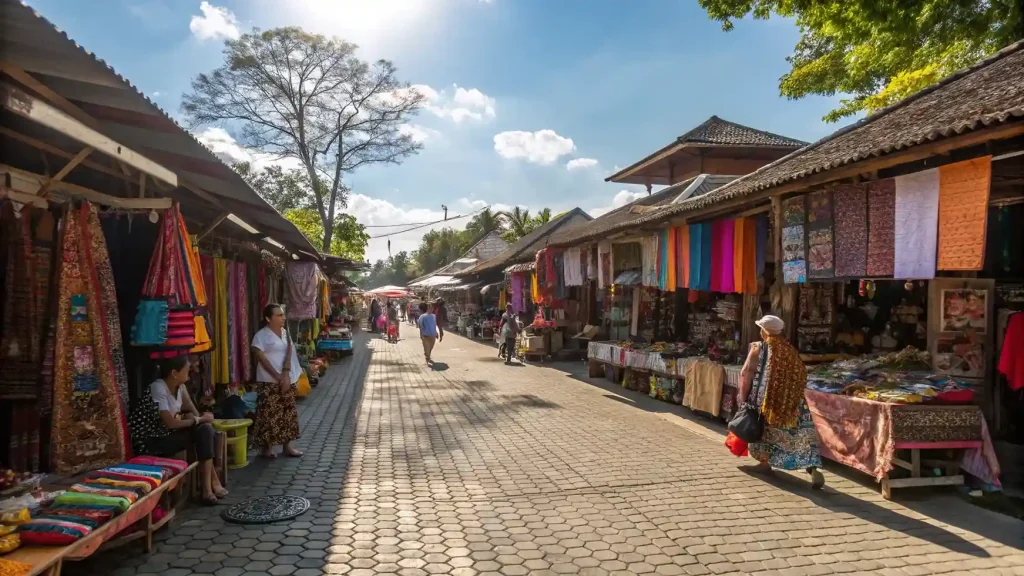
Incense, spices and gamelan somewhere in the distance — Bali’s markets are an experience in themselves. They are also where most visitors overpay. This is how not to.
- Before 10AM
- When vendors negotiate most readily
- Ubud
- The best single market base
- Cash
- Still the norm at small stalls
- Nov–Mar
- Quieter months, better discounts

Market Rules
The Four Rules
- Go early
- Before 10AM
- Carry
- Small rupiah notes
- Compare
- Three stalls minimum
- Open at
- Below your target
- Be ready to
- Walk away
Photographs: Bali Premium Trip
In Short
How Bali Markets Actually Work
Market prices in Bali assume negotiation, and the opening figure is often well above fair. Arrive early, know the price band before you start, compare across at least three stalls, and be genuinely willing to walk away. That is the whole method.
- Peak market hours are late morning and early afternoon — avoid them
- Vendors negotiate more readily when the market is quiet
- Cash in small denominations makes bargaining considerably easier
- November to March is quieter, and discounts are easier to find
The Markets
Where To Go, and For What
Six destinations, each with a different strength.
Exploring Ubud Art Markets
The best single base on the island: textiles, carving, baskets, art and homeware within a walkable area, with galleries a short distance away. Go early — it fills fast.
Kuta and Seminyak: Bargain Hunter’s Paradise
Kuta trades on volume and heavy negotiation, which suits buying in quantity if you know the bands. Seminyak is more curated and more expensive, leaning designer and boutique.
Cultural Treasures from Celuk and Mas
Not markets but craft villages — Celuk for silver, Mas for wood carving. Better work, fairer opening prices, and makers who can explain what you are buying.
Bringing Home Balinese Textiles
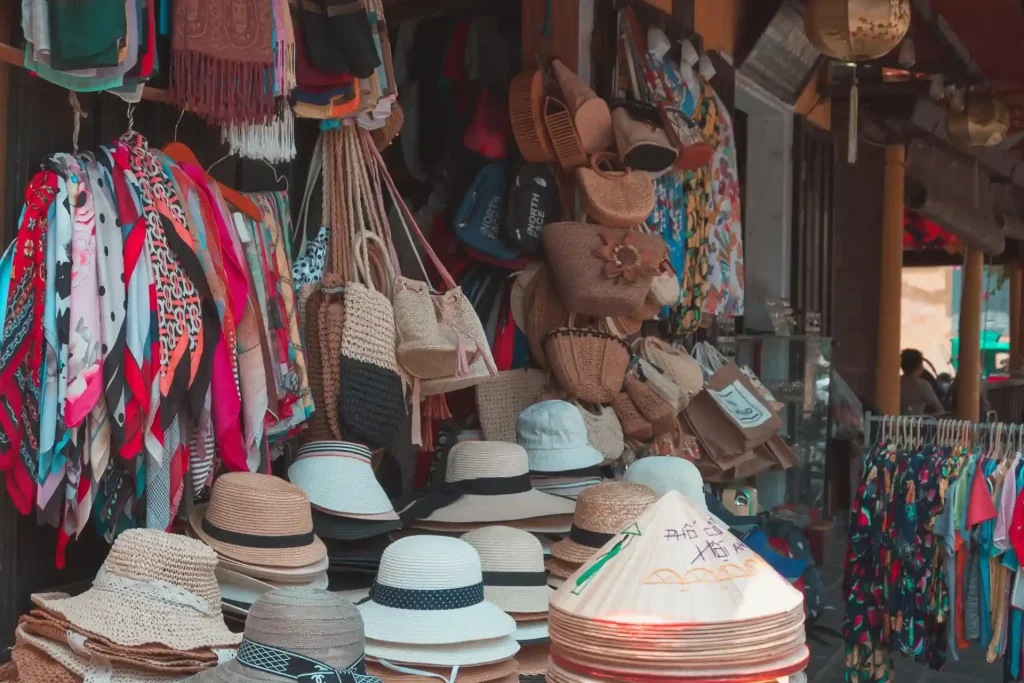
Batik, endek and sarongs are sold in every market on the island, and quality varies enormously between neighbouring stalls. Learn the tells before you spend.
Handcrafted Home Décor
Rattan and ata baskets, carved panels, ceramics and lighting. Light, durable and genuinely useful — some of the best value on the island.
Balinese Aromatics and Wellness Products
Essential oils, balms, soaps and jamu. Buy sealed and labelled, and remember the 100 ml cabin limit before you fill a bag with bottles.
Inside The Markets
What A Good Stall Looks Like
Before you bargain, it helps to recognise what you are standing in front of.
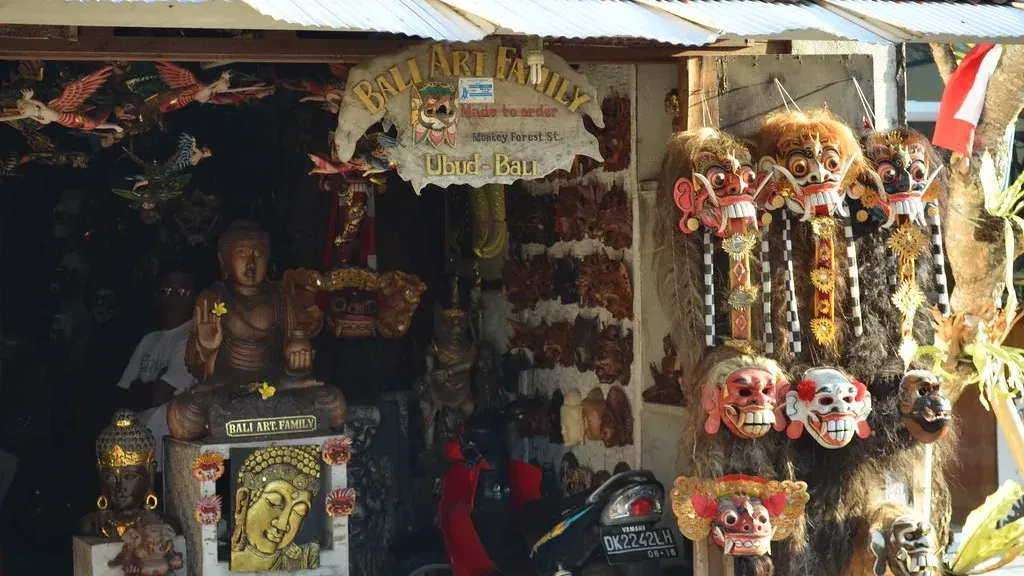
Ubud Art Market
Barong masks and carved figures stacked to the roofline on Monkey Forest Street. Prices here open high — knowing the band is what keeps the bargaining fair.
Photograph: Flickr
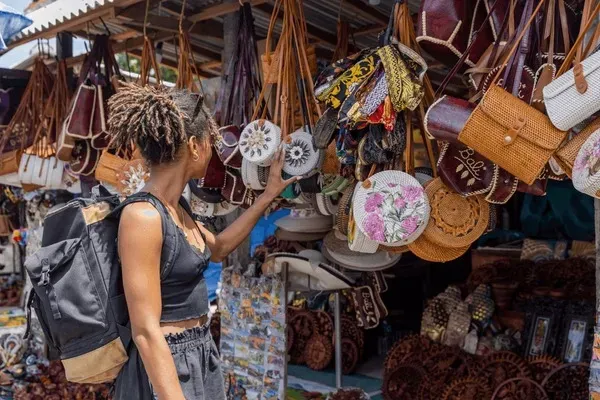
Woven bags and pouches
Rattan ata baskets and embroidered pouches — handwork that reads as craft rather than as a trinket.
Photograph: Shutterstock
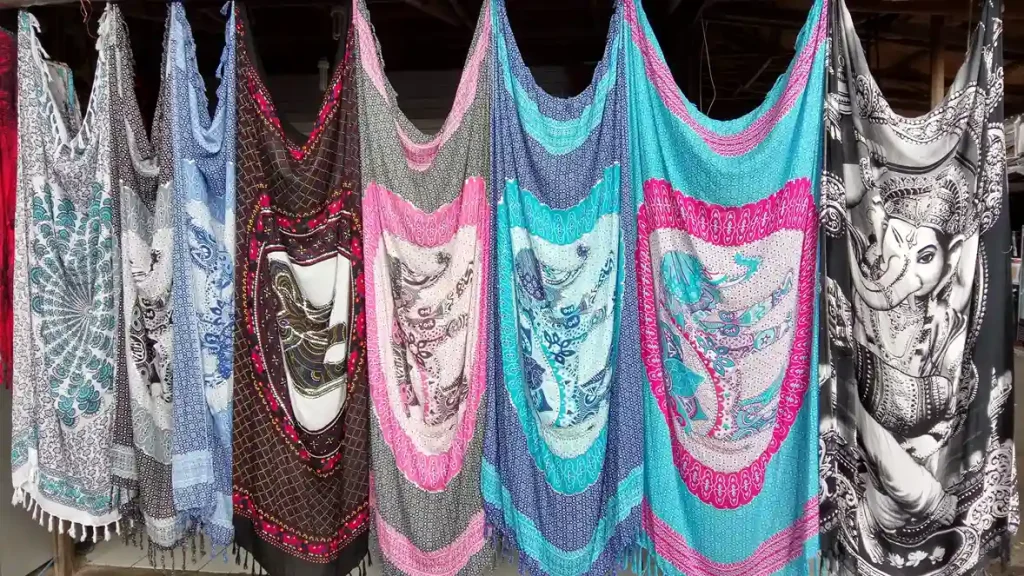
Printed kain pantai
The bright printed sarongs on every tourist rack — quick to pack, and the honest entry point to Balinese cloth.
Photograph: Wikimedia Commons
Timing
Getting the Timing Right
Timing affects price more than almost anything else you can control.
-
Choose the Season
Nov–Mar for valueThe rainy season, November to March, brings fewer tourists, lower prices and more willing negotiation. April to October offers better weather for outdoor markets.
-
Choose the Hour
Before 10AM or late afternoonPeak market times are late morning and early afternoon. Shopping either side of that means fewer crowds and vendors with more time for you.
-
Watch the Festivals
Galungan & KuninganGalungan and Kuningan, every 210 days, bring more traditional craft to market and a wider range of unusual pieces. Check the Balinese calendar against your dates.
-
Avoid the Traffic
Early or eveningRoads between Ubud, Celuk and the southern beaches are heavily congested in the middle of the day. Plan one area per day rather than three.
Allocate at least half a day per market area. Rushing is how people end up paying the opening price.
Restrictions
Understanding the Restrictions
Four categories cause nearly all the problems at the border.
Protected Materials
Anything made from protected wildlife, or from natural materials the seller will not name, may be confiscated. Ask, and walk away if the answer is vague.
Cultural Property
Genuinely old temple carvings and artifacts can be illegal to export. Modern reproductions are entirely fine and widely available.
Liquids
Oils, balms and jamu are limited to 100 ml per container in cabin baggage. Anything larger travels in the hold.
Plants & Organics
Seeds, plants and raw organic material face biosecurity restrictions in most destination countries — Australia and New Zealand especially.
Tell us the item and the country you are flying home to, and we will confirm exactly what applies.
More On Bali Souvenirs
Related Guides
Before You Go
Get the Price Bands Before the Market
Send us your shopping list and we will send back honest starting prices, so the first number you hear is not the number you pay.